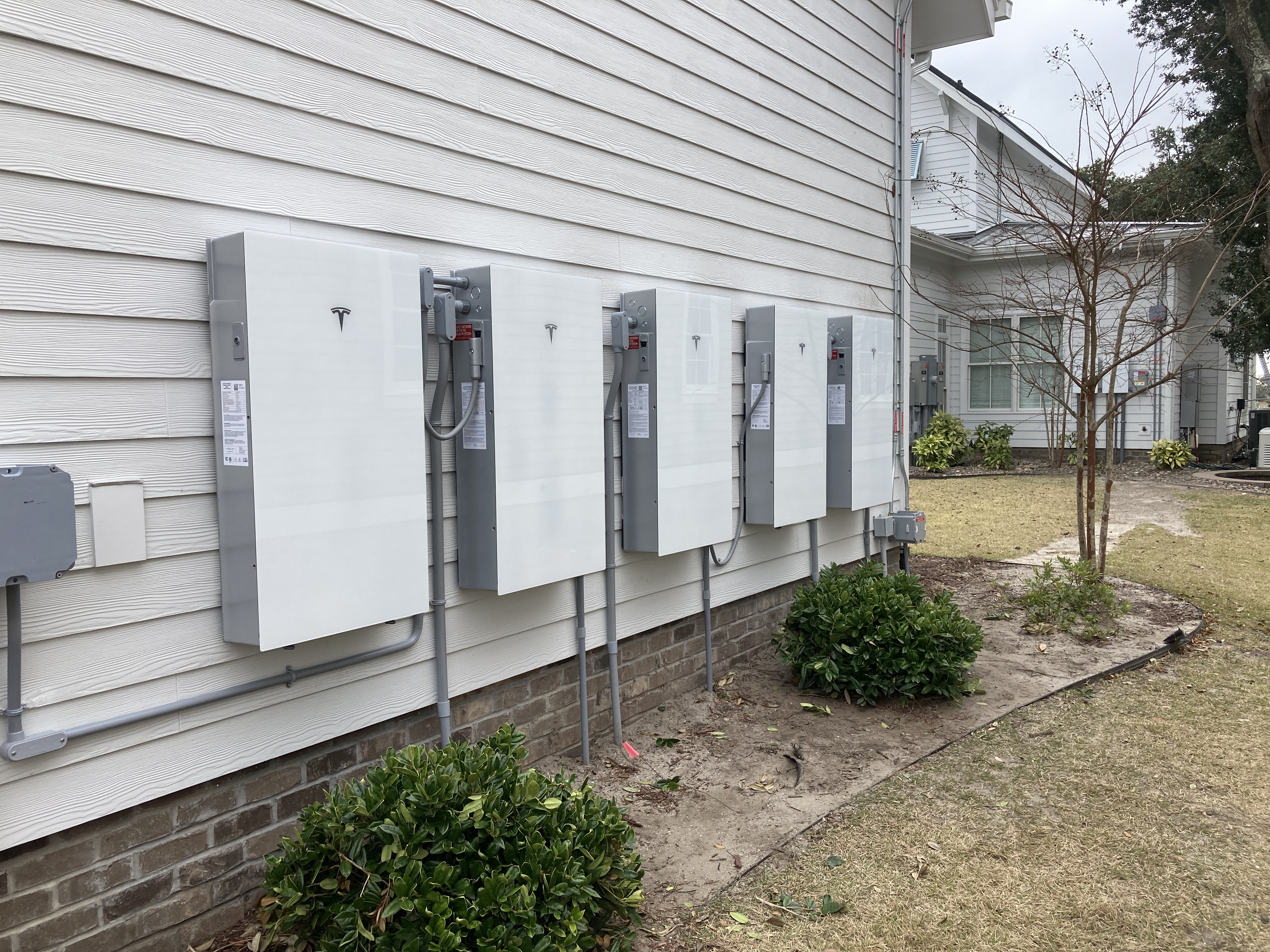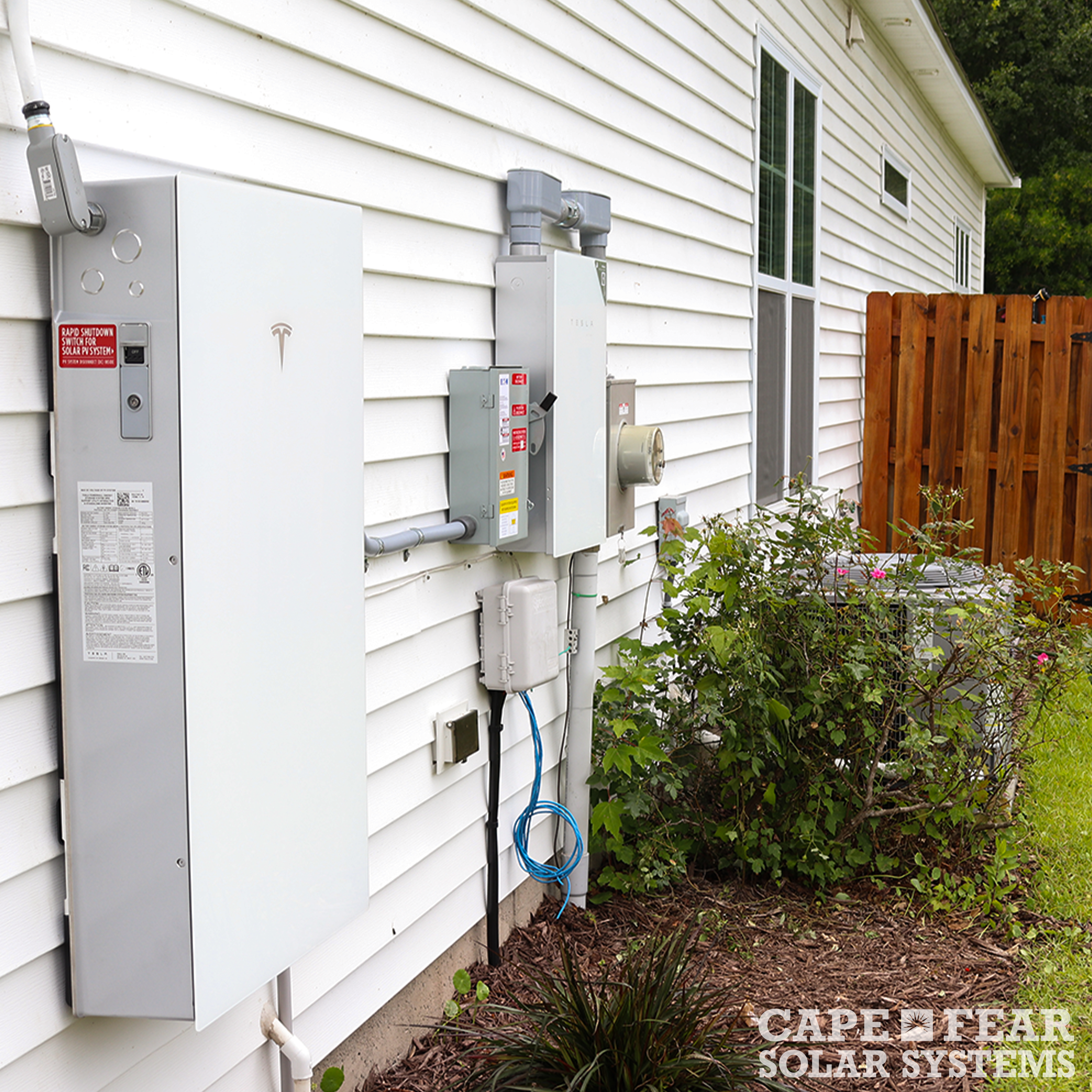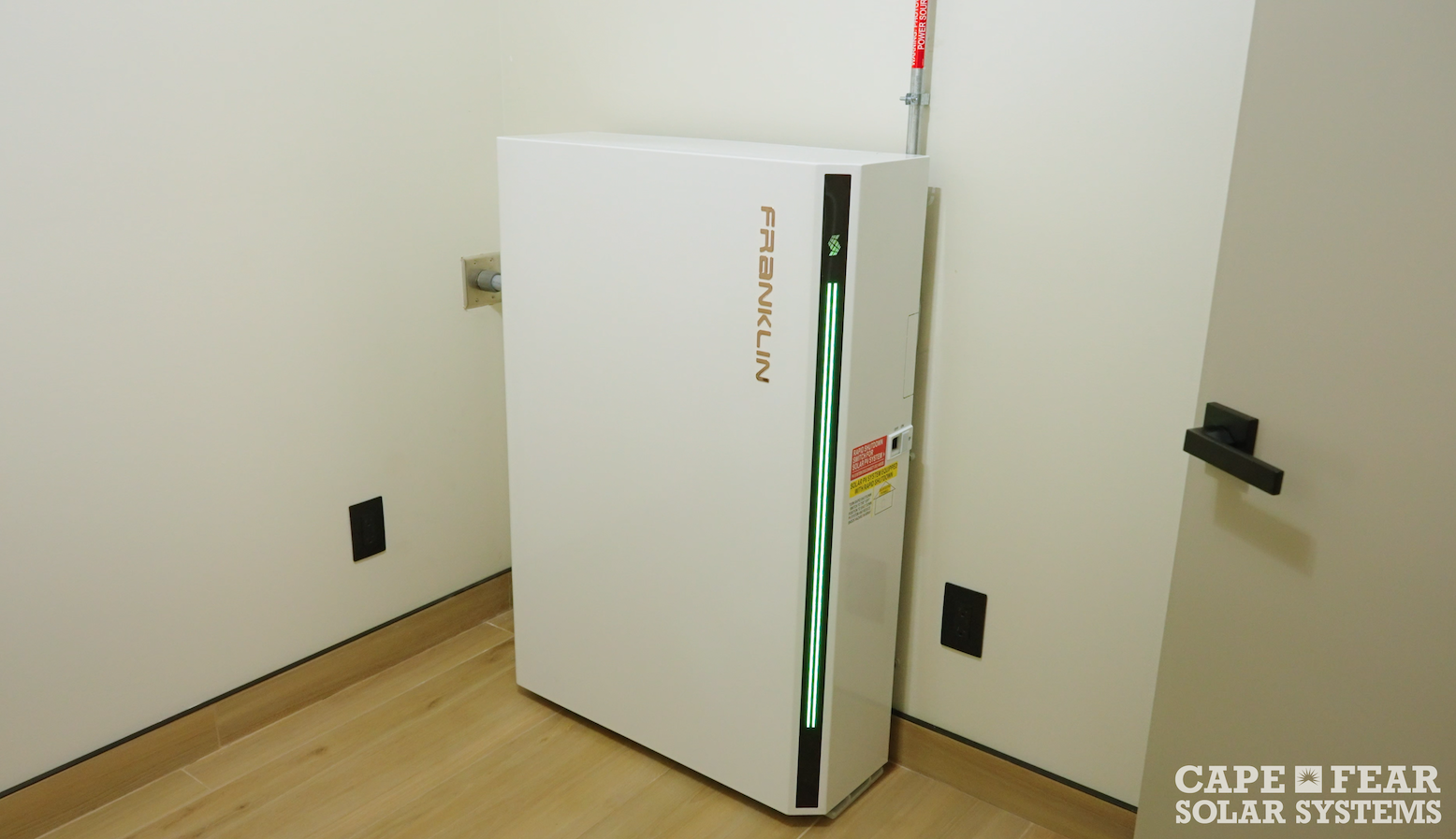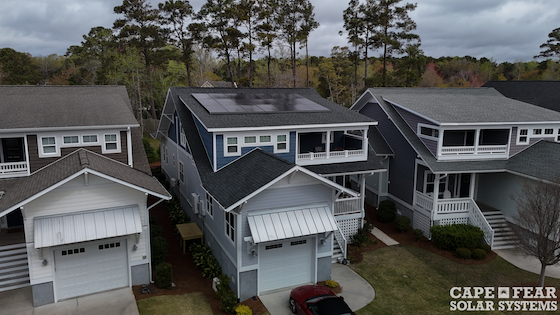
- High-performance battery for residential or commercial use.
- Stores excess solar energy for use during peak demand or outages.
Keep the Lights On
When the Grid Goes Dark
Advanced Battery Technology
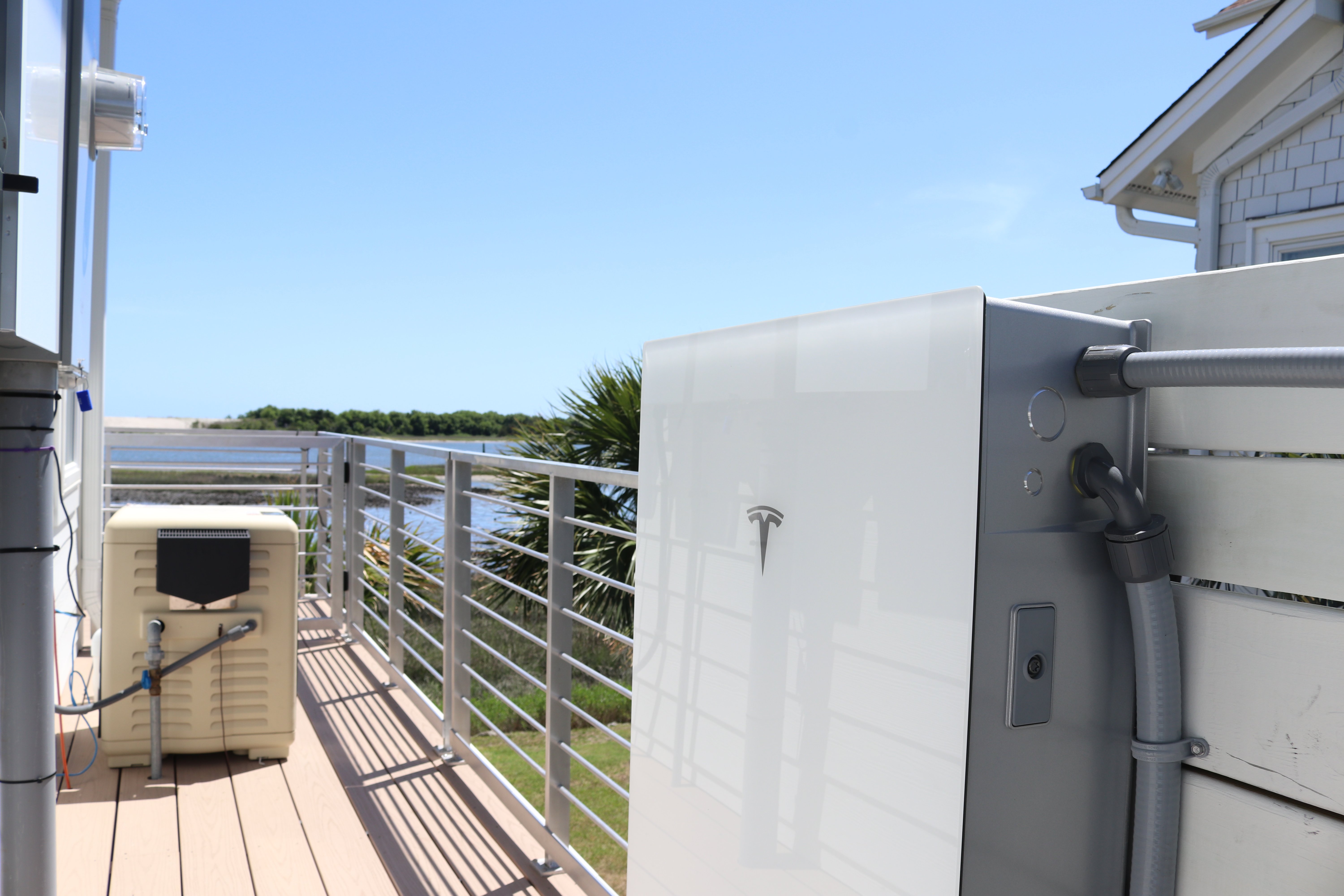
We offer the latest battery technologies. Home batteries store solar energy for backup protection when the grid goes down or to use at night when the sun goes down.
Uses Clean Energy
Home batteries charge using clean energy sourced from the sun.

Energy Independence
Get a full charge without ever leaving the house.

Power Everything
Choose from a whole-home backup or just the essentials.

%20Large.png?width=900&height=1280&name=aPower%20(1)%20Large.png)

Manage Energy
Options to monitor your solar and battery in real time.

Outage Protection
Never be without power again.

Premium Warranty
Home batteries are paired with an industry-leading warranty.

FranklinWH aPower 2
Overview:

Key Features:
- 15 kWh usable capacity, up to 10 kW output
- LFP chemistry for safety and longevity
- AC-coupled; no built-in inverter
-1.png)
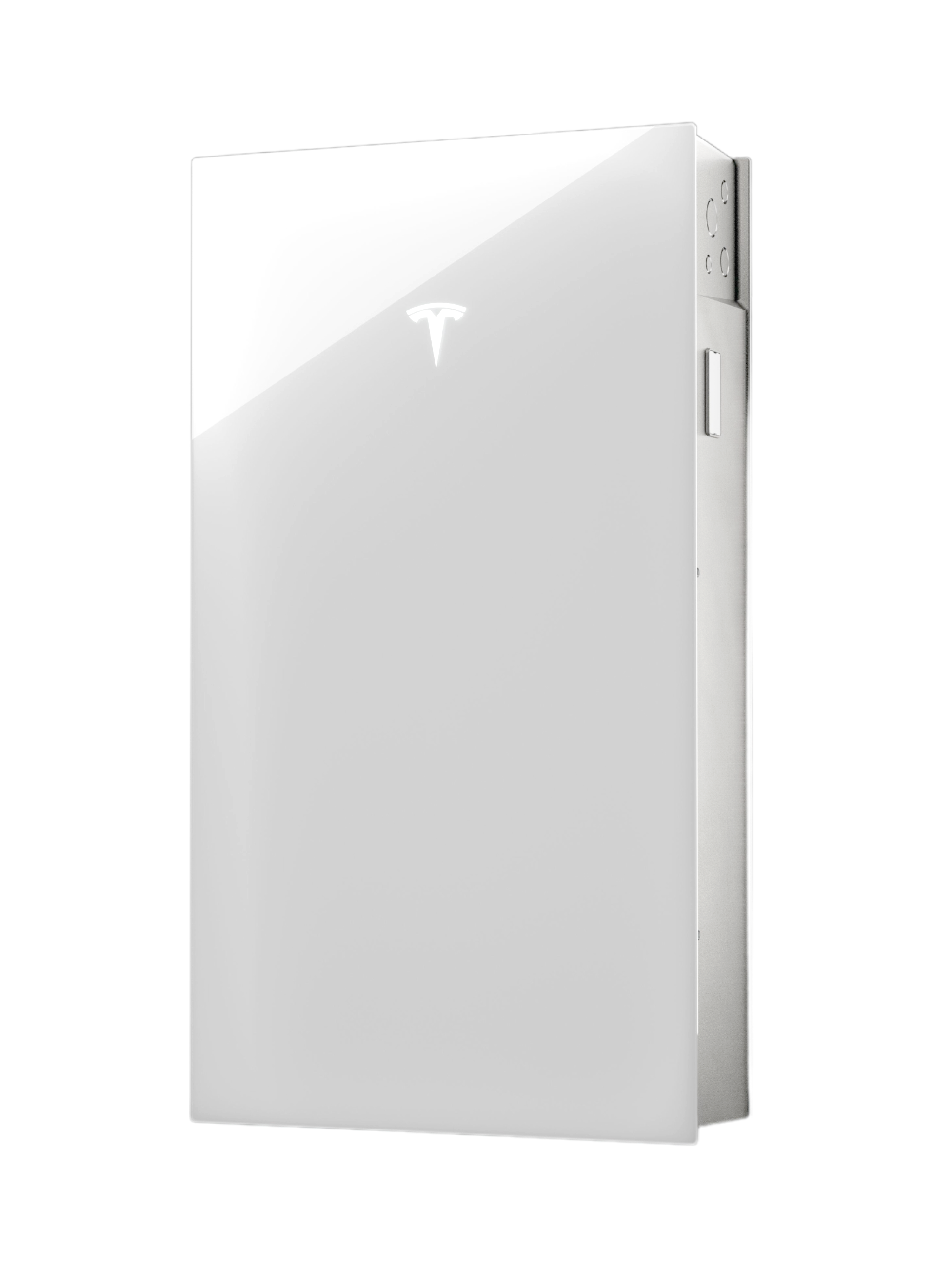
Tesla Powerwall
Overview:
- Rechargeable home battery storing energy from solar or the grid.
- Provides backup power during outages and maximizes solar self-consumption.
Key Features:
- 13.5 kWh usable capacity, ~11.5 kW output
- Built-in inverter for AC connection
- Integrates with Tesla app for monitoring and scheduling

Enphase IQ Battery
Overview:
- Modular energy storage system with advanced microinverters.
- Integrates with existing Enphase solar systems.
Key Features:
- 5 kWh per module (stackable), LFP chemistry
- Integrated microinverter in each module
- Scalable for growing backup needs
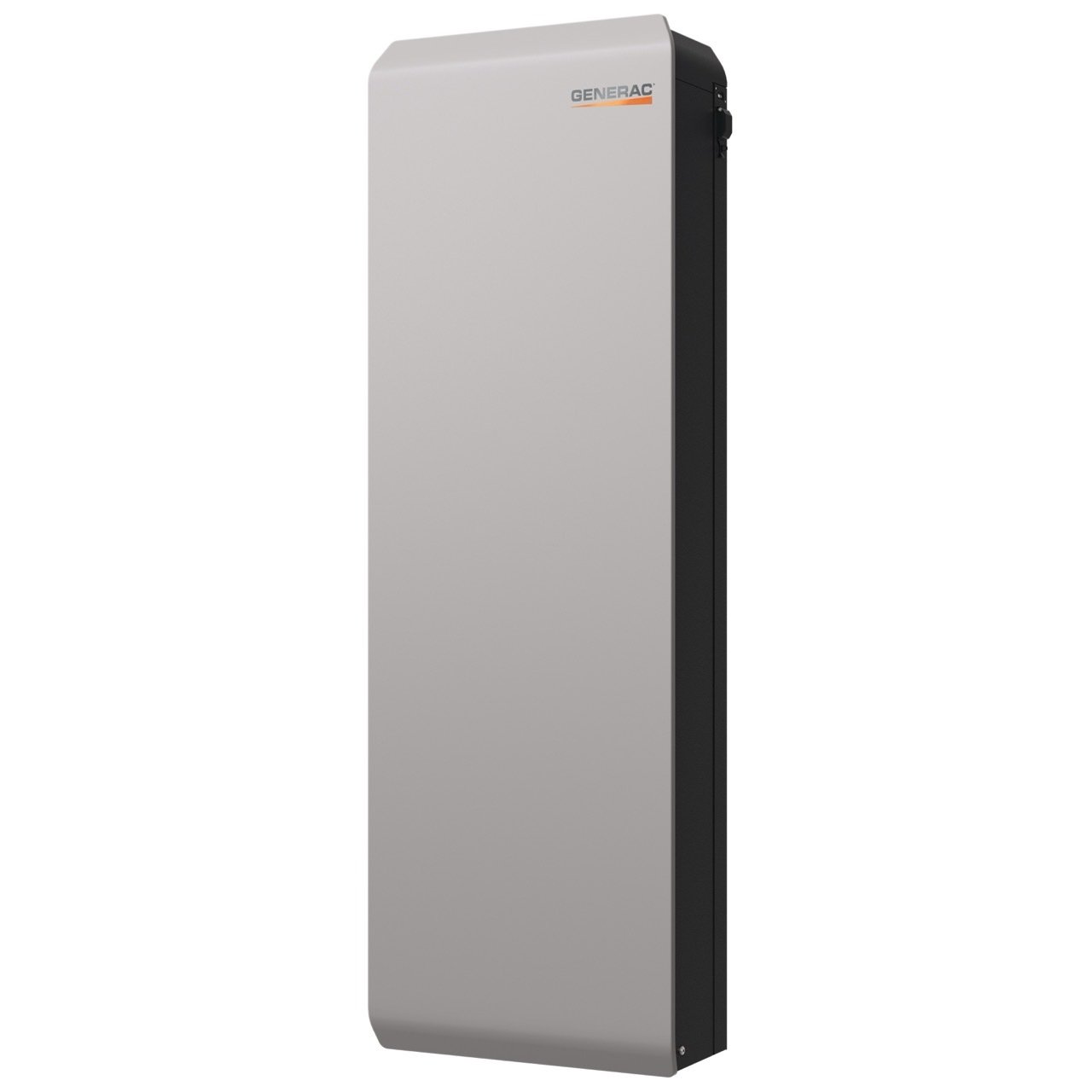
Generac PWRcell
Overview:
- Home energy storage and backup system.
- Supplies power automatically during outages.
Key Features:
- 9–18 kWh per cabinet, modular and scalable
- 5–10 kW continuous output
- Requires separate inverter
3 Steps to Energy Independence
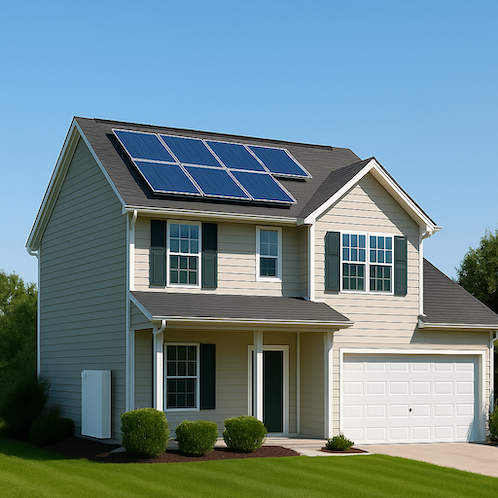

STEP 1: Solar
Generate power with solar panels.
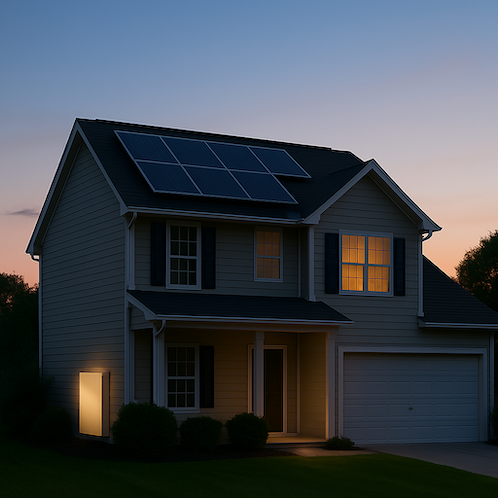

STEP 2: Battery
Add a battery to store that energy.
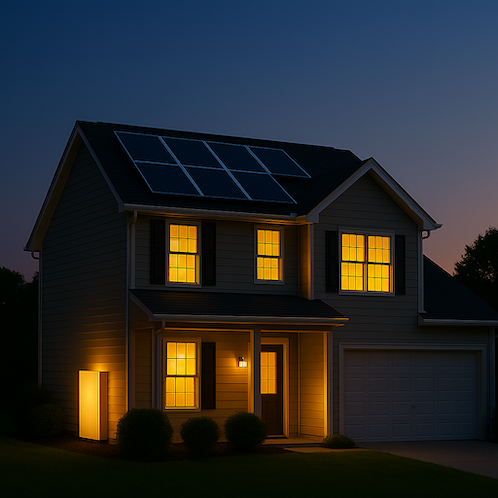

STEP 3: Save
Enjoy reliable power, lower bills, and energy independence.
Why Do I Need a Home Battery?
As your home’s solar panels are producing electricity, any immediate energy needs are consumed first. And the excess power? Without a battery, the excess electricity gets sent to the grid in exchange for credits. But when there’s a power outage, your solar array stops producing power to prevent sending power to the grid and frying a lineman attempting to repair the problem. Without a battery, even though you have solar, you won’t have power during an outage.
A battery stores excess energy on your property and creates a closed loop within your system. Power doesn’t get sent to the grid unless you want it to. The energy stored in your battery is able to power your home during an outage, and get recharged by the solar panels the next day.
A battery stores excess energy on your property and creates a closed loop within your system. Power doesn’t get sent to the grid unless you want it to. The energy stored in your battery is able to power your home during an outage, and get recharged by the solar panels the next day.
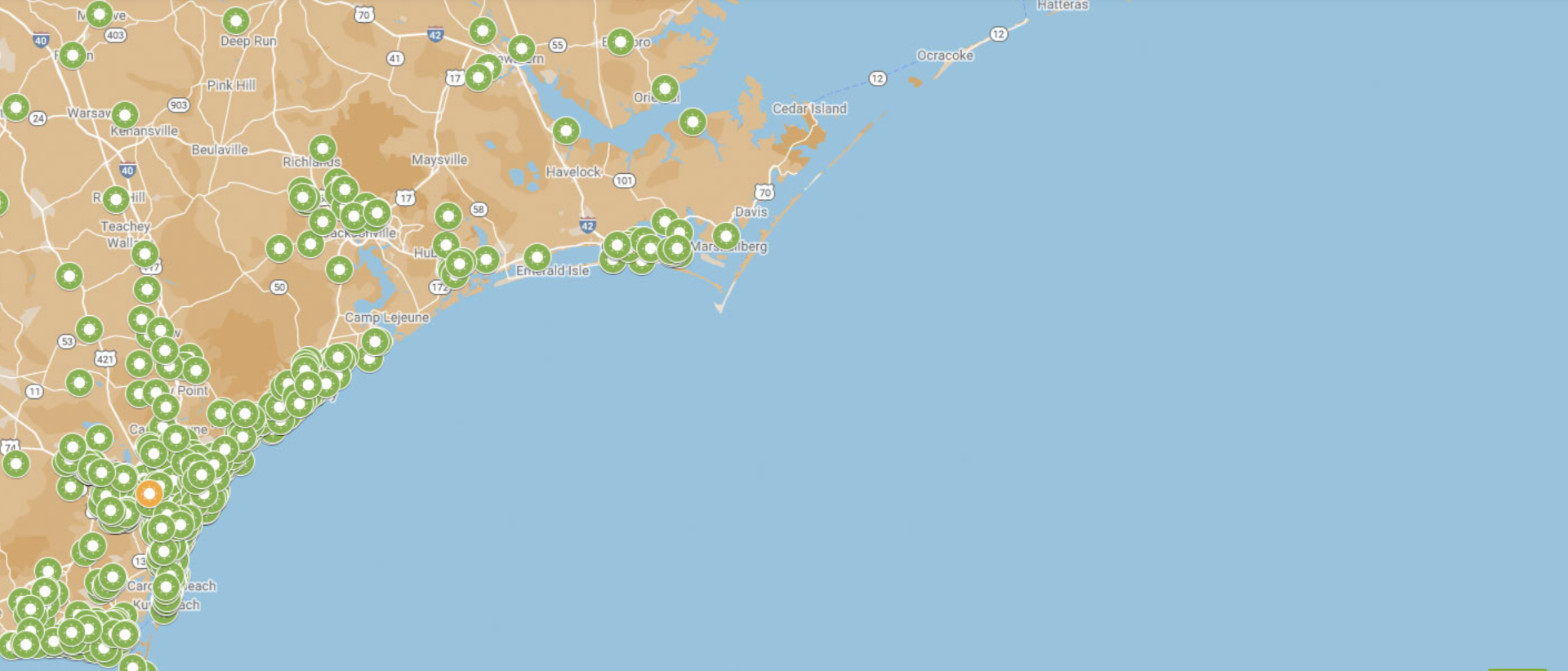
Serving Wilmington, NC & Beyond
Based in Wilmington, North Carolina, we proudly serve homeowners and businesses across NC and SC within a 4-hour radius. Our regional focus allows for faster installs, quicker service, and personalized attention.