Between hurricanes, heavy storms, and unexpected grid interruptions, backup power isn’t a luxury for Carolina homeowners; it’s essential.
Two of the most common solutions are battery storage systems and traditional generators. Both can keep your lights on, but the differences in reliability, maintenance, and long-term value are huge.
If you live along the Carolina coast, here’s what to consider before deciding between a battery system and a generator.
Battery Storage: Silent, Smart, and Sustainable
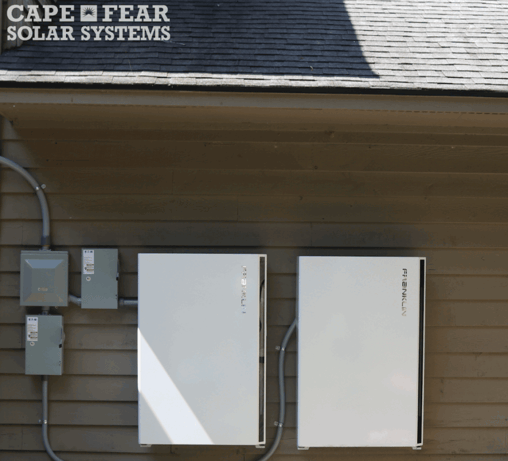
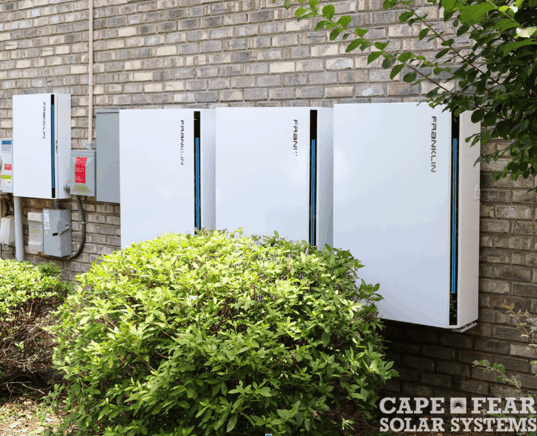
Battery systems — like the Tesla Powerwall and FranklinWH aPower 2 — store excess solar energy during the day so your home can draw from it whenever you need power. When the grid goes down, batteries take over instantly and quietly, often so seamlessly you don’t even notice the switch.
Homeowners love batteries because they offer:
- No fuel, no fumes, no noise
- Instant automatic switchover with no manual restarts
- Daily recharging from the sun
- Seamless integration with solar panels
- Year-round savings by reducing reliance on the grid
They’re cleaner, easier, and far more convenient than traditional generators, and they help you stay powered even during extended outages.
The Energy.gov Solar Integration: Solar Energy and Storage Basics explains how solar + storage systems increase energy reliability and reduce the need for grid electricity.
To see how Cape Fear Solar designs battery systems for coastal living, explore our Battery Backup solutions.
Generators: Reliable but Resource-Heavy
Generators have been around for decades, and many homeowners are familiar with them. They run on gasoline, propane, or diesel and automatically activate during power loss. However, they come with trade-offs.
Common generator drawbacks include:
- Regular fuel storage and refilling
- Ongoing maintenance (oil changes, filter replacements, tune-ups)
- Loud operational noise
- Exhaust emissions
- Manual testing and preparation for each storm season
- Venting and elevation requirements in flood-prone areas
Generators can handle large electrical loads, but the long-term upkeep, especially in humid, salt-air coastal environments, can be significant.
Comparing Performance in Coastal Conditions
| Feature | Battery Storage | Generator |
| Noise | Silent | Loud (65–75 dB) |
| Fuel Source | Solar electricity | Gasoline, diesel, propane |
| Maintenance | Minimal | High (fuel, oil, parts) |
| Emissions | Zero | Carbon + particulate emissions |
| Startup Time | Instant | 10–30 seconds |
| Run Time | Recharges daily with solar | Limited by fuel supply |
| Weather Resilience | Fully enclosed, corrosion-resistant | Must be vented & serviced for coastal conditions |
Batteries are fully enclosed and built to handle humidity and salt exposure, while generators, even enclosed models, require regular servicing to keep corrosion and fuel degradation in check.
For a deeper comparison, FranklinWH’s Whole House Battery Backup vs. Generator guide breaks down performance, cost, and long-term homeowner impact.
The Cost Conversation: Upfront vs. Ongoing
While batteries generally cost more upfront than generators, the lifetime value often tells a different story.
Batteries:
- Higher upfront investment
- Virtually no maintenance
- Long lifespan (10–15+ years)
- Daily energy savings when paired with solar
- No fuel purchases — ever
Generators:
- Lower upfront cost
- Continuous fuel expenses
- Regular mechanical servicing
- Parts replacements over time
For homeowners planning to stay long-term, batteries usually deliver greater value, convenience, and reliability.
Explore examples of our battery-backed homes and our other jobs.
Everyday Benefits Beyond Outages
Generators only serve a purpose during an outage.
Batteries, on the other hand, work for you every single day by intelligently managing your home’s energy use:
- Avoid peak-time utility rates
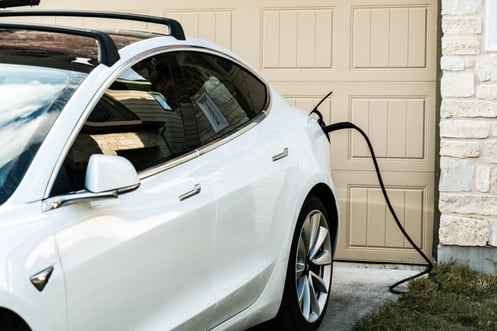
- Power your home or EV charger overnight
- Reduce grid dependence
- Improve total energy efficiency
- Support storm preparation automatically
It’s a long-term upgrade to your home’s resilience and energy independence.
FAQs: Battery Storage vs. Generators
Can I combine solar and a generator?
Yes, but the system must be designed carefully. Cape Fear Solar can evaluate compatibility and design a safe, integrated setup.
How long does a battery last during an outage?
Most systems can power essential circuits for 8–24 hours and recharge daily with sunlight.
Will a generator run indefinitely if I keep fueling it?
Technically, yes. However, refueling during severe weather or coastal flooding can be unsafe and impractical.
Power That Fits Coastal Living
For homeowners in Wilmington and along the Carolina coast, battery storage offers a cleaner, quieter, and smarter alternative to traditional generators. With professionally designed systems from Cape Fear Solar Systems, you get backup power that’s ready when you need it and without the noise, fumes, or maintenance.
Ready to move beyond generators? Get a quote from Cape Fear Solar Systems to explore battery backup options built for coastal homes.