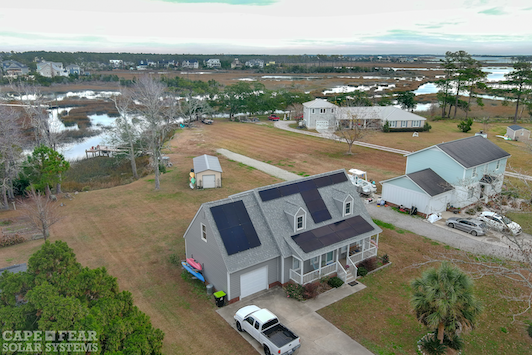
Even in the sunny Carolinas, solar energy still has its skeptics and much of that hesitation comes from outdated myths.
From fears about hurricane damage to the idea that solar only works in the desert, misinformation often stops homeowners from exploring one of the most effective ways to cut energy costs.
At Cape Fear Solar Systems, we hear these questions every day from Charleston to the Outer Banks, and the coastal communities in between.
Let’s clear the air by shining a light on the most common myths and illuminating the truth beneath the surface.
Myth 1: Solar Doesn’t Work in Cloudy or Rainy Weather
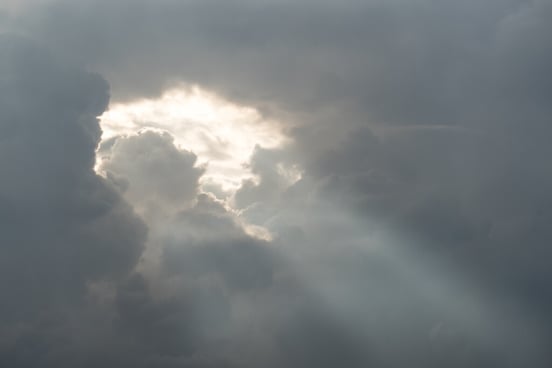
One of the most frequent misconceptions is that solar is only worth it in the desert. The truth is, solar panels generate electricity from daylight, not just direct sunlight.
Even on cloudy or rainy days, your system continues producing energy. While peak output occurs in full sun, your panels can only drop generation power 10–25% below their rated capacity under heavy clouds. For homeowners in Wilmington and nearby areas, that adds up to consistent, year-round energy production.
According to the U.S. Department of Energy, solar photovoltaic technology is proven to perform in a variety of climates, from snowy states to coastal regions.
Myth 2: Solar Panels Will Damage My Roof
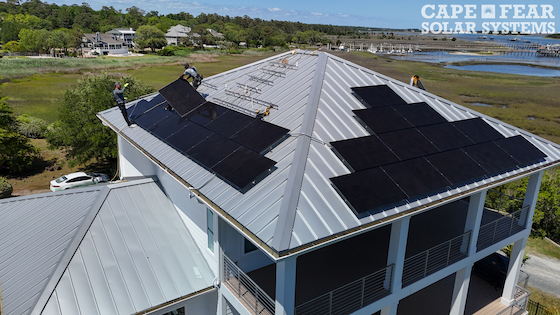
Another myth is that panels will cause leaks. In reality, when installed by licensed contractors, solar panels are securely mounted, according to engineer-approved designs, and with appropriate sealing. In fact, the panels can actually protect the roof underneath them from sun exposure and weathering.
At Cape Fear Solar Systems, our team of NABCEP-certified installers follows strict best practices to ensure your system is watertight and built to last.
Explore our residential solar services to see how we design systems with your home’s structure in mind.
Myth 3: Solar Won’t Survive a Hurricane
Living in a hurricane-prone area, it’s natural to worry about storm resilience. Fortunately, today’s solar equipment is designed for exactly that. Most high-quality panels are tested to withstand winds of up to 140 mph, meeting the local building codes in hurricane zones.
In addition to durable panels, systems are designed by staff who live in this community, meaning they are familiar with the local weather patterns. Pairing your panels with battery backup also provides peace of mind, keeping essential systems running even when the grid goes down.
Learn more about solar resiliency in hurricanes from the Department of Energy.

Myth 4: Solar Is Too Expensive for the Average Homeowner
Many families assume solar is financially out of reach. That’s no longer the case. With financing programs and occasional state or utility incentives, solar is now more accessible than ever.
In North Carolina, most residential systems pay for themselves in as few as 8–12 years, depending on household usage and roof design. After that, your panels continue generating free electricity for decades. In South Carolina, homeowners can see even faster payback thanks to the state’s 25% Solar Energy Tax Credit, which can be used for significant savings. After that, your panels continue generating free electricity for decades.
Interested in learning what solar could cost for your home? Contact our team for a custom proposal and financial analysis.
Myth 5: Solar Panels Require Constant Maintenance
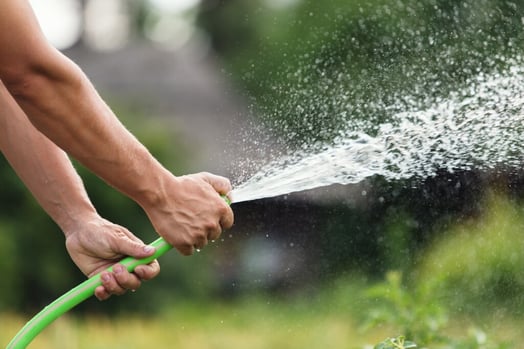
Unlike HVAC systems or gas generators, solar panels have no moving parts. That means very little ongoing maintenance. Typically, panels only need occasional cleaning to remove pollen, salt spray, or debris.
Cape Fear Solar Systems also provides support under both manufacturer and workmanship warranties, giving homeowners confidence that help is always available. Systems are designed to last beyond their warranted 25 years, with minimal efficiency loss, making solar one of the most reliable energy investments you can make.
FAQs About Solar in the Carolinas
Will salt air damage my panels?
No. Panels that we install are built with corrosion-resistant materials specifically designed to handle coastal environments.
How long will my system last?
Most systems continue producing power for 25–30 years, with only gradual efficiency decline.
What about HOA restrictions?
North Carolina’s “solar access” law protects your right to install panels in most cases, even if your HOA has rules about appearance.
Don’t Let Myths Stop Your Savings
The facts are clear: solar energy is reliable, resilient, and financially smart for many homeowners.
At Cape Fear Solar Systems, we design every system to fit your home, budget, and long-term energy goals. From the Outer Banks and the Triangle, to Conway and Charleston, our local team has helped thousands of families break free from outdated myths and start saving with solar.
Ready to see what solar could do for your home? Contact us today to schedule your free consultation.