Great solar starts with precision and the most efficient way to get it is from above. At Cape Fear Solar Systems, we use drone technology to capture a complete picture of your roof before we design a single panel layout.
By combining aerial imagery with advanced solar modeling, our team can map rooftops, assess shading, and create accurate, efficient designs that maximize performance and aesthetics.
Whether you’re in the coastal plains or the heart of the city, our drone-assisted site evaluations help us deliver a solar system tailored specifically to your home.
Why We Use Drones for Installing Solar Systems
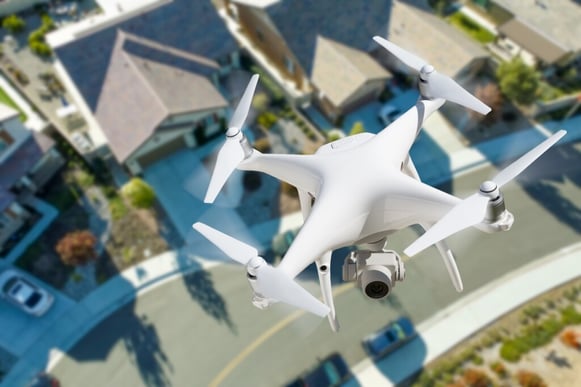
Drones allow us to see what ladders and tape measures can’t. Instead of spending hours taking manual measurements, we can fly an FAA-compliant drone over your home and capture every detail in minutes.
During a drone solar site evaluation, we gather:
- Roof slope and orientation – Critical for determining panel angles and optimal production.
- Vent, chimney, and skylight placements – To ensure our panel layouts avoid obstructions.
- Shading from trees or nearby buildings – So we can predict and minimize production losses.
It’s not just faster; it’s safer for our team and less disruptive for you. In fact, according to the World Future Energy Summit, drones are increasingly becoming standard practice in the solar industry because they deliver both speed and accuracy.
While drones can be used at many stages of a solar project including maintenance inspections and even panel cleaning, we primarily use them during design and installation planning to ensure every project starts with reliable data.
Certified to Fly, Trained to Design
Our drone operators aren’t just hobbyists, they are FAA Part 107 certified pilots, trained to fly legally and safely across the country. This certification ensures our team meets federal requirements for commercial drone operations, including airspace rules, safety protocols, and flight restrictions.
Once we capture aerial data, we process it using Scanifly, a solar-specific drone modeling platform that helps convert roof imagery into precise 3D designs and production insights. That means faster, cleaner layouts and a system engineered for maximum performance from day one.
Then, our solar design team uses it to:
- Build 3D models of your roof for accurate system planning.
- Measure irradiance to forecast year-round production.
- Design a panel layout that blends seamlessly with your roof’s shape and structure.
This combination of certified flight and technical design means you’re getting more than just pretty pictures, you’re getting actionable data that improves the accuracy and reliability of your solar system.
You can explore our full range of solar installation services here.
What the Drone Captures (and Why It Matters)
Every image and data point we collect plays a role in creating the most efficient, cost-effective system possible:
- Roof pitch and shape – Determines how sunlight hits your panels and influences tilt angle.
- Tree cover and seasonal shade – Identifies areas that may reduce output in certain months.
- Obstructions – Helps us design around vents, chimneys, and skylights without losing production potential.
- Accurate measurements – Streamlines permitting and prevents costly redesigns.
- Potential damage – Allows us to spot roof issues before installation and catch panel damage during maintenance checks.
By gathering this information before we finalize a proposal, we’re able to deliver faster timelines, more accurate quotes, and better long-term performance projections for your solar investment.
How This Helps You as a Homeowner
From your first consultation to final installation, drone-assisted design creates a better customer experience:
- No rooftop visits during your first site evaluation – Everything is measured from the ground.
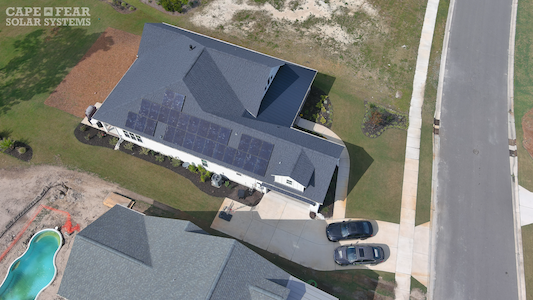
- More accurate system performance projections – Because the data is based on your exact roof, not a generic estimate.
- Faster proposal turnaround – With cleaner aerial data, we can complete designs and approvals more quickly.
- Better-looking installs – Panel rows are aligned for both optimal production and curb appeal.
We’ve found that homeowners appreciate the combination of high-tech tools and personalized service — two things that define the Cape Fear Solar difference. Learn more about why customers choose us.
FAQs: Drones and Solar Design
Is it safe and legal to fly a drone over my property?
Yes. We follow all FAA guidelines, fly only during daytime hours, and always have your permission before conducting a site evaluation. However, if your property is too close to the airport, we may not be able to fly a drone for our assessments. Each airport has a certain radius with no drone flights allowed.
Does this mean I’ll get my solar proposal faster?
In most cases, yes. Our drone technology reduces the time needed for site measurements, which helps us move from evaluation to proposal more quickly.
Can I see the drone footage or the 3D renderings?
Absolutely. Many customers enjoy seeing a visual preview of how panels will look on their home before signing off on the design.
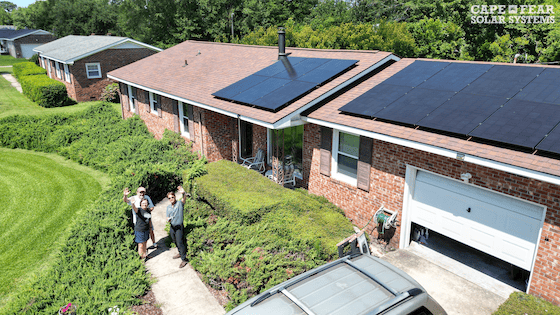
The First Step Toward Better Solar Starts Above Your Roof
Drones give us the detailed, accurate insight needed to design the best possible solar system for your home without climbing a ladder. From analyzing shading patterns to ensuring panels fit perfectly, aerial data helps us deliver better performance, better aesthetics, and a better overall solar experience.
If you’d like to see your home from our perspective, contact Cape Fear Solar Systems today to schedule your drone-assisted site evaluation. Our team will combine cutting-edge technology with local expertise to create a solar system designed just for you.