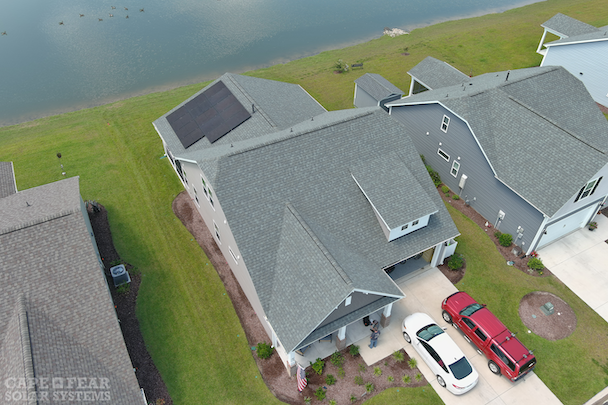
If you are considering solar for your South Carolina home, one of the first questions that comes to mind is simple: how many solar panels will I actually need? The answer, however, is a little more complex.
Your square footage alone doesn’t determine your solar system size. Factors like energy usage, roof angle, shading, panel efficiency, and even future lifestyle changes all play a part. At Cape Fear Solar Systems, we design systems based on real-world performance, not just formulas, so homeowners get the best return on their investment.
Here’s how we break it down for South Carolina homeowners.
What Factors Affect Your Panel Count?
Every home is different, but in South Carolina, most residential systems are designed to offset between 1,000 and 2,300 kWh per month. The number of panels you’ll need will depend on:
- Your monthly energy use – This is the most important factor. A family using 2,000 kWh/month will require a larger system than one using 1,200 kWh/month.
- Roof direction and shade – South-facing roofs get the most direct sunlight, but east and west orientations can still perform well with the right design. Significant shading from trees or nearby buildings can reduce output.
- Panel wattage – High-efficiency panels, such as 430W modules, produce more electricity per square foot, meaning fewer panels for the same energy offset.
- Future planning – Planning to buy an EV, install a pool, or grow your household? Your system should account for expected increases in usage.
- Offset goals – Some homeowners aim for 100% energy offset, while others are focused on reducing but not eliminating their utility bill.
- Utility interconnection rules – Utilities like Santee Cooper, Duke Energy, and Dominion may have rules on system sizing and net metering capacity.
To learn more about available renewable energy programs in the state, visit the DSIRE South Carolina database.
A Realistic Example: How It Might Look for South Carolina Homes
Let’s say you own a three-bedroom home in Charleston that uses about 1,500 kWh/month and you want to offset your entire usage.
- Annual usage: 1,500 kWh × 12 months = 18,000 kWh/year
- South Carolina production ratio: ~1.4 (accounts for sunlight hours and climate)
- Required system size: 18,000 ÷ 1.4 = 12.85 kW
- Panel count with 430W panels: 12,850 W ÷ 430 W ≈ 30 panels
This is just an estimate. Your actual design might be larger or smaller depending on your roof shape, shading, and efficiency goals. For an accurate assessment, we offer free evaluations that include precise solar mapping and production estimates.
You can also explore independent resources like EnergySage’s South Carolina solar guide for general sizing ranges.
Our Process: Tailored Solar System Design for SC Homes
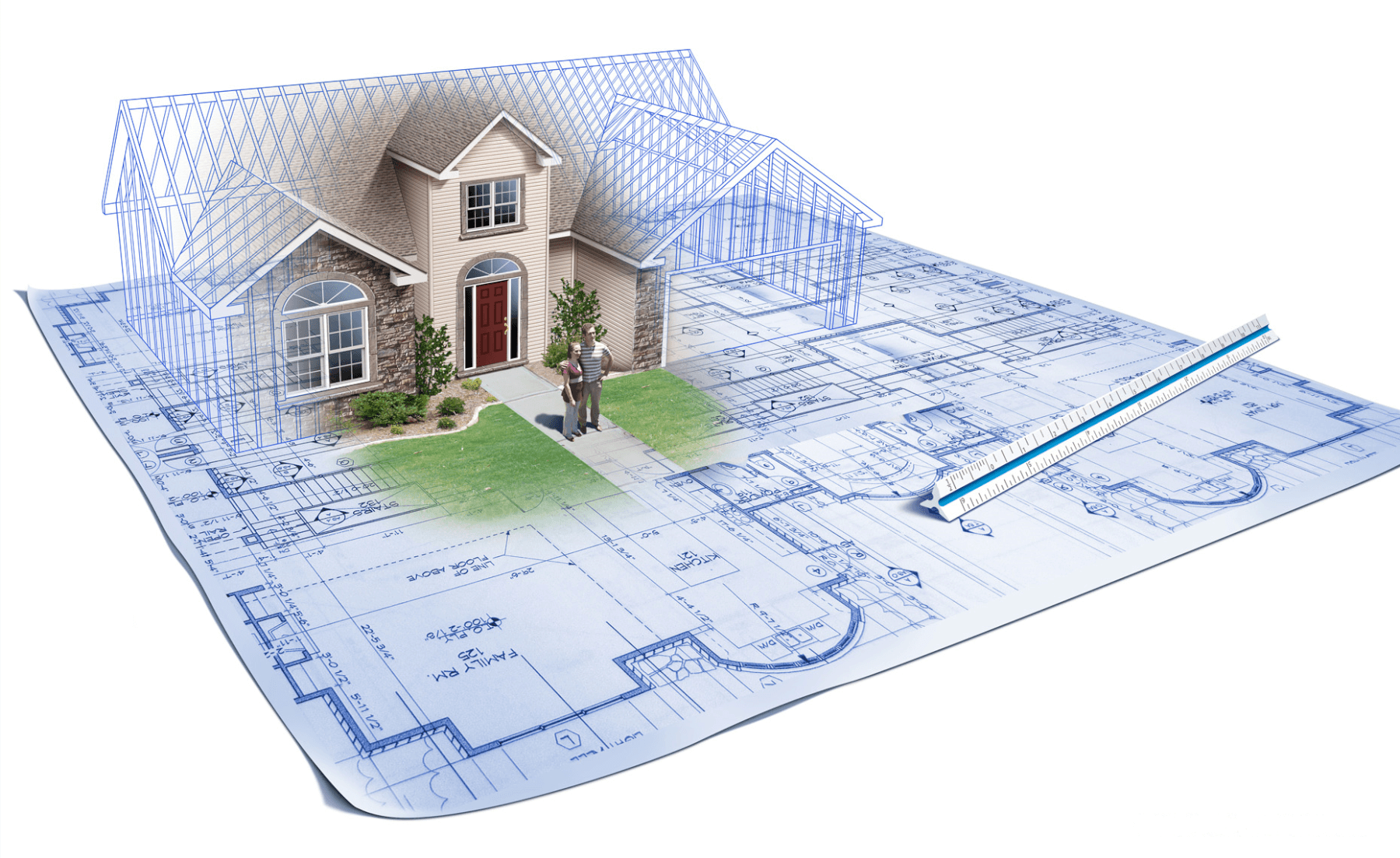
At Cape Fear Solar Systems, we don’t use a one-size-fits-all approach. Each system is designed from the ground up to match your property, lifestyle, and financial objectives.
Here’s how it works:
- Free Site Assessment – We check your roof’s condition, slope, and exposure to ensure it’s solar-ready.
- Usage & Lifestyle Review – We analyze your past energy bills and discuss upcoming changes, like EV charging or new appliances.
- Custom System Design – Our in-house designers create a panel layout to maximize efficiency while preserving roof aesthetics.
- Optional Battery Planning – Many SC homeowners pair solar with battery backup for power during outages, using systems like Enphase or Generac PWRcell.
You can learn more about why homeowners across the Carolinas choose us by visiting our Why Us page.
Should You Oversize or Undersize? How to Decide
There’s a balance to strike between your budget, available roof space, and long-term needs.
Consider oversizing your system if:
- You plan to add an EV or other electric-powered upgrades soon.
- Your household energy usage is likely to increase.
Consider undersizing your system if:
- Your roof space is limited.
- You prefer a lower upfront cost.
- Your energy usage is decreasing (e.g., becoming an empty nester).
We design with scalability in mind, so if you want to add panels later, we make sure your system can handle future expansion. Learn more about our approach to residential solar design.
Incentives That Make Solar More Affordable in South Carolina
South Carolina homeowners have access to attractive incentives that reduce the cost of going solar:
- South Carolina State Tax Credit – Up to 25% of your system cost, capped at $3,500 per year (with a 10-year carryover).
- Santee Cooper Solar Rebate – Qualifying customers can receive an upfront rebate based on system size.
These programs can significantly shorten your payback period and improve overall solar ROI. Our team helps every customer navigate available incentives and ensures applications are submitted on time.

FAQ: Solar Panel System Sizing in South Carolina
Can I produce more electricity than I use?
Some utilities place limits on overproduction. We’ll help you size your system for optimal savings and discuss storage options if you want to capture extra power.
What if I install too few panels?
Most systems are expandable. We can design with future add-on capacity in mind so you can grow your system later.
Do HOA rules impact my solar installation?
In South Carolina, HOA rules can set requirements on system placement, so we’ll work with your HOA if needed.
We Size Based on You, Not a Formula
There’s no single answer to “how many solar panels do I need?” because every home and homeowner is different. The right system considers your current energy use, future needs, and property layout and delivers the most value over time.
If you’re ready to find out exactly how many panels you need, contact Cape Fear Solar Systems for a custom quote and on-site evaluation. Our experts will design a system built for your home, your goals, and your future.