One of the most common questions homeowners ask before going solar is how much upkeep is actually involved. Many people assume solar panels require frequent cleaning, constant monitoring, or hands-on maintenance to keep working properly.
In reality, modern solar systems are designed to be durable, low-maintenance, and largely self-sufficient. That’s especially true when a system is properly designed and installed from the start, which reduces the need for ongoing upkeep down the road.
This guide breaks down what solar panel maintenance really looks like, what’s required, and what’s mostly a myth. Solar panels don’t need much attention, but knowing what they do and don’t need can save you time and stress.
How Solar Panels Are Built to Withstand the Elements
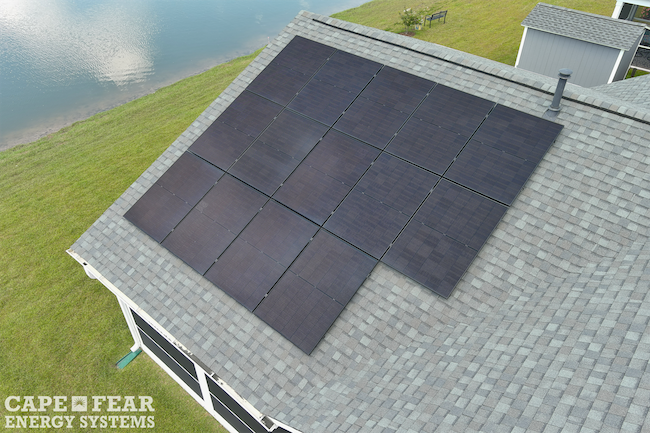
Modern solar panels are engineered for long-term outdoor exposure. They’re designed to handle rain, wind, heat, humidity, and temperature changes year after year.
Most residential solar panels are made with:
- Tempered glass designed to resist impact
- Corrosion-resistant aluminum frames
- Fully sealed components that protect internal wiring
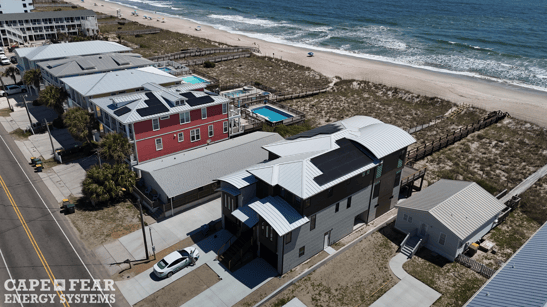
Once installed, solar panels have no moving parts, which dramatically reduces the chance of mechanical failure. In coastal environments, panels and mounting systems are selected specifically to withstand salt air and changing weather conditions common along the Carolina coast.
According to EnergySage, solar panels typically last 25–30 years or more, maintaining strong performance throughout their lifespan. That long-term durability is one of the key reasons solar systems require minimal ongoing maintenance once properly installed.
What Routine Solar Panel Maintenance Actually Involves
For most homeowners, solar maintenance doesn’t mean hiring a service company or climbing onto the roof. It’s mostly about understanding what “normal” system performance looks like.
In typical residential systems:
- Rain naturally rinses away dust, pollen, and light debris
- Panels are angled to prevent buildup from sitting long-term
- Occasional visual checks from the ground are enough to confirm panels are unobstructed
Modern systems also include monitoring software that tracks daily energy production. These tools allow homeowners to quickly notice if something looks off without manual inspections.
Cape Fear Solar installs solar systems with built-in monitoring tools that allow homeowners to easily track performance without climbing on the roof through their solar services.
Do Solar Panels Need Regular Cleaning?
In most areas of the Carolinas, solar panels do not need frequent cleaning. While pollen, salt residue, or leaves may occasionally settle on panels, this rarely causes meaningful performance loss.
In many cases:
- Rain handles most routine cleaning naturally
- Light debris does not significantly affect output
- Performance drops are usually minimal unless panels are heavily obstructed
Cleaning may be recommended after unusual events, such as major storms, prolonged dry periods with heavy pollen, or debris accumulation that blocks sunlight. Even then, light rinsing with a hose from the ground is often sufficient.
SolarReviews explains on their blog that most residential solar panels do not need regular cleaning, and rainfall alone is usually enough to keep panels performing as expected.
When cleaning is needed, it should be done carefully to avoid damaging the glass or mounting hardware. However, professional cleaning is rarely required.
How Monitoring Systems Reduce Maintenance Concerns
One of the biggest advantages of modern solar systems is built-in performance monitoring. These systems track daily energy production and provide real-time visibility into how your system is operating.
Monitoring helps homeowners:
- See how much energy their system produces
- Identify unexpected drops in output
- Catch potential issues early
For many homeowners, monitoring eliminates guesswork entirely. There’s no need to inspect panels regularly. If performance stays consistent, the system is doing its job.
See how Cape Fear Solar integrates monitoring technology into real-world installations across the Carolinas through our recent projects.
What About Inverters and Battery Systems?
While solar panels themselves require very little upkeep, other system components may need occasional attention over time.
Inverters, which convert solar energy into usable electricity, are typically warrantied for up to 25 years. Depending on system design, they may eventually need replacement later in the system’s life.
Battery storage systems are designed for long-term reliability and minimal user involvement. Homeowners typically interact with batteries through monitoring software rather than hands-on maintenance.
The Solar Energy Industries Association explains that modern battery storage systems are designed for long-term reliability and typically require very little hands-on maintenance once installed.
Cape Fear Solar Systems designs low-maintenance, easy-to-monitor battery storage systems as part of a complete solar setup.
When Professional Maintenance Might Be Needed
Professional maintenance is uncommon, but there are situations where a closer look makes sense.
These include:
- After severe storms or hurricanes
- If monitoring data shows an unexplained drop in performance
- If debris buildup is difficult or unsafe to access
In these cases, having a local installer who understands coastal conditions can be helpful. Cape Fear Solar can help homeowners determine when professional support is appropriate and when it isn’t based on real system data.
Homeowners across North Carolina and South Carolina rely on Cape Fear Solar for honest guidance on system performance and long-term expectations.
FAQs: Solar Panel Maintenance
Does Cape Fear Solar provide ongoing maintenance services?
Cape Fear Solar focuses on expert system design and installation. Most homeowners do not need ongoing maintenance, but guidance is always available if questions arise.
Do solar panels break easily?
No. Panels are tested to withstand hail, wind, and heavy rain.
Will salty air damage my panels?
Panels selected for coastal installations are designed to handle humid and salty environments.
How often should my system be checked?
Most homeowners rely on monitoring software and occasional visual checks. If concerns come up, it’s best to contact your installer.
Low Maintenance, Long-Term Performance
Solar panels are one of the lowest-maintenance home upgrades available. When a system is designed and installed correctly, most homeowners can expect it to run quietly in the background for decades with very little involvement.
For homeowners across North and South Carolina, solar maintenance is typically simple, predictable, and stress-free.
If you’re considering solar and want a system designed for long-term reliability, get a quote from Cape Fear Solar Systems and speak with a local expert about your options.