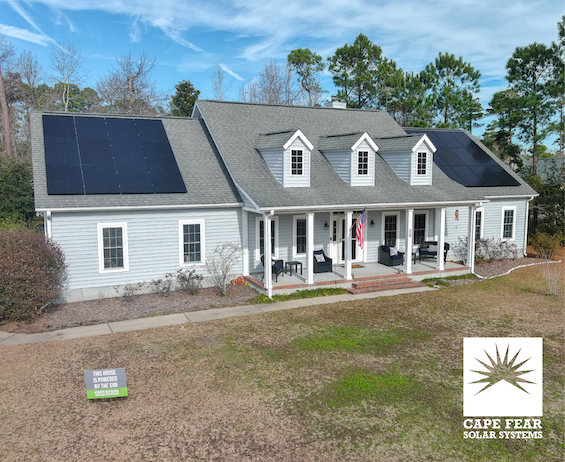
North Carolina is one of the best states in the country for solar, but most homeowners don’t know where to start. From incentives and energy bill savings to installation timelines and roof readiness, there’s a lot of conflicting information out there.
This guide breaks down what’s actually important if you’re thinking about going solar in the Tar Heel State and how Cape Fear Solar Systems makes the process easier, smarter, and more cost-effective.
North Carolina Is a Top 5 Solar Power Generation State
There’s a reason North Carolina ranks among the top five states for solar energy. We average over 200 sunny days per year, and most homes in our region receive 4–5 peak sun hours daily, ideal for powering your home.
Even better? Strong clean energy policies and property tax exemptions help make solar more accessible than ever. If you’re in Brunswick, New Hanover, or surrounding counties, you’re in one of the most solar-ready markets in the country.
You can see current state data from the U.S. Energy Information Administration, or visit our solar energy page to learn how solar works with your roof, lifestyle, and energy goals.
Solar Panels Can Slash or Eliminate Your Electric Bill
Once your solar system is active, your home begins generating its own clean electricity, meaning your dependence on the utility company drops fast.
With every sunny day, you:
- Offset or eliminate your electric bill
- Lock in a predictable energy rate (no more guessing)
- Avoid utility surges with solar battery backup
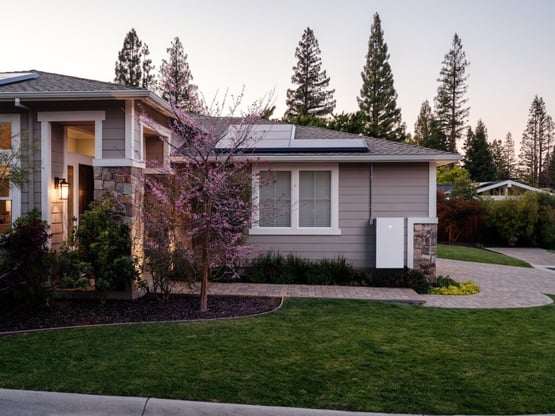
We install storage solutions like the Tesla Powerwall and Enphase IQ Battery that keep your home powered during outages, hurricanes, or peak-demand pricing events.
Learn more about battery storage options or learn about how much solar panels can save you in 2025 from an EnergySage report.
Incentives Make Solar More Affordable Than You Think
Thanks to federal and state programs, the upfront cost of solar is significantly reduced:
- The Federal Solar Tax Credit (ITC) covers 30% of your system’s total cost
- NC property tax exemptions mean you won’t pay more for your home’s added value
- Local utility incentives can offer rebates or credits—Cape Fear Solar will help you find out what’s available in your zip code
And if you’re worried about the remaining cost? Cape Fear Solar offers attractive financing options, including low-interest and zero-down plans. That means you can go solar now—and start saving—without waiting to build up a budget.
We’ve helped hundreds of homeowners reduce their out-of-pocket cost, and many reach full system payback anywhere from 6-12 years. After that, its clean power and pure savings. Learn more from Energy.gov on how much money you can save.
Net Metering Lets You Earn Credit for the Power You Don’t Use
When your solar panels produce more electricity than your home uses, like on sunny afternoons, that extra power is sent back to the grid. Net metering ensures you receive a credit on your utility bill for every excess kilowatt-hour exported.
These credits are applied to future usage, which helps maximize your return on investment and shortens your system’s payback period. It's one of the most effective ways to increase the long-term value of your solar system, and it’s available through most major utilities in North Carolina.
With Cape Fear Solar Systems, you’ll get a system sized to your energy needs so you’re not just producing power, you’re putting it to work.
Time-of-Use Rates: Why Storage Makes Smart Solar Smarter
While net metering helps balance what you use and what you send back, time-of-use (TOU) pricing changes the equation. More utilities are moving to TOU rate structures, where electricity is cheaper at off-peak times and more expensive when demand is highest, usually first thing in the morning, late afternoon or evening depending on the time of year.
Without storage, you’re still subject to these peak rates. But with solar + battery storage, you control when and how your power is used.
Your system stores solar energy during the day and can be programmed to automatically power your home when grid prices are highest, helping you avoid expensive peak-time charges altogether.
This is where storage becomes more than a backup, it becomes a financial strategy. And Cape Fear Solar will help you build it into your solar plan from day one. Explore how battery storage gives you full energy control.
Not Every Roof Is Perfect And That’s OK
A south-facing roof with a 10–40° pitch and minimal shading is ideal but it’s not required. We’ve installed solar on east-, west-, and southeast-facing roofs all across the coastal Carolina region.
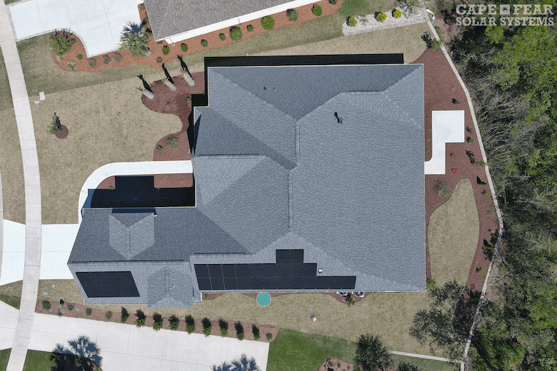
Each of our project developers holds an FAA Part 107 Drone Pilot’s License, allowing us to use drone-based modeling to precisely assess roof angles, shading, and structural conditions before installation. By using LiDAR, drone aerial imaging, and in-person assessments, we calculate your property’s true solar potential, even if your roof isn’t textbook perfect.
If your roof isn’t the best fit then ground mounts, detached garage installs, or carport systems may be viable alternatives. During your free site evaluation, we’ll show you what setup makes the most sense for your energy goals.
What to Expect: The Solar Timeline in North Carolina
Most projects take about 2-3 months from contract to full activation, but this depends on each house, extent of the project, financing, and any other factors that may influence the timeline.
Here’s how it works with Cape Fear Solar Systems:
- Contract & Financing: You sign your installation agreement and, if applicable, secure financing. Once your deposit is processed, we reserve your equipment.
- Applications & Permitting: We collect your utility bill and insurance details, handle all HOA paperwork, and submit your building and electrical permit applications.
- Installation & Inspections: Your install is scheduled. Most systems are installed in 1–4 days, with final inspections typically occurring within 1–2 weeks.
- Interconnection & Activation: We coordinate directly with your utility for grid approval, which usually takes 3-4 weeks after inspection. Once approved, your system is powered on—usually within a day or two.
From start to finish, we handle the legwork so you don’t have to. See why homeowners trust our process to get solar done right.
Frequently Asked Questions
Will solar panels work on my roof in Wilmington?
Let us check! We use drone and LiDAR mapping to evaluate your roof’s pitch, shading, and potential offset. In most cases, solar works, and works well.
What if I need a new roof?
We coordinate with your roofing schedule and can help determine the best time to install. If you’re already re-roofing, it’s the perfect time to go solar.
How long does it take?
From signed contract to activation, most projects take 2–3 months. We manage permitting, inspections, and utility communication so you can focus on getting excited.
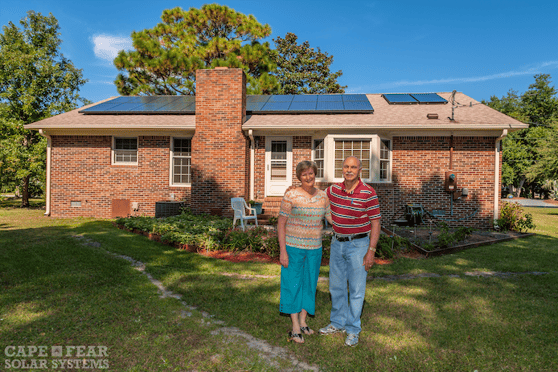
Solar Isn’t Just Worth It in NC, It’s Smart
With rising utility rates, powerful incentives, and more sun than most states, North Carolina is one of the best places to go solar. Add in Cape Fear Solar’s full-service support, and you’ve got a clear path to energy independence.
Want to see what solar could do for your home? Schedule your consultation and get started with Wilmington’s most trusted solar team.